



A Complete Guide to Investing in Farm Plots Near Bangalore
Looking for farm plots near Bangalore can be a smart option if you want to own land away from the city’s busy lifestyle while also exploring a long-term real estate investment. With Bangalore expanding rapidly, areas on the outskirts are attracting buyers who want more space, greenery and a peaceful environment without moving too far from the city.
Farm plots are also becoming popular among people looking for a weekend getaway, a second home, managed farmland or an investment opportunity. However, buying agricultural or farm land is different from purchasing a regular residential plot. Location, land title, permitted land use, access roads, water availability and development practices all need to be checked before making a decision.
If you are planning to buy a farm plot near Bangalore, understanding the location, legal requirements, project amenities and potential returns can help you make a more informed choice.
Farm plots are also becoming popular among people looking for a weekend getaway, a second home, managed farmland or an investment opportunity. However, buying agricultural or farm land is different from purchasing a regular residential plot. Location, land title, permitted land use, access roads, water availability and development practices all need to be checked before making a decision.
If you are planning to buy a farm plot near Bangalore, understanding the location, legal requirements, project amenities and potential returns can help you make a more informed choice.

Why Invest in Farm Plots Near Bangalore?
The growing demand for land around Bangalore is one of the reasons buyers are exploring farm plots in developing locations. Compared with properties inside the city, farmland projects can offer larger plots and a more open environment.
-
Growing Demand Around Bangalore
Bangalore's expansion has increased interest in peripheral locations. Areas connected to major highways and employment hubs are attracting residential, commercial and land investments. -
Larger Land Parcels
Farm plots generally provide more space than conventional urban plots. Depending on the project, buyers may be able to choose from different plot sizes according to their budget and intended use. -
Weekend Lifestyle
For people living in Bangalore, a farm plot can provide an opportunity to spend weekends surrounded by greenery. Some managed farmland projects also provide common amenities and basic infrastructure for recreational use. -
Long-Term Investment Potential
Land is generally considered a long-term asset. The potential appreciation of a farm plot depends heavily on its location, accessibility, surrounding development and legal status. Therefore, buyers should evaluate these factors rather than relying only on projected returns. -
Alternative to City Property
If you want to diversify your real estate holdings, farmland can be considered alongside residential or commercial property. The investment objectives and risks, however, are different from those of conventional real estate.
Top Locations for Farm Plots Near Bangalore
The best location depends on your purpose, budget, travel time and expectations for future development. Several areas around Bangalore have attracted interest from farmland and plotted development buyers.
Farm plots near Harohalli can appeal to buyers looking for locations within reasonable reach of Bangalore while seeking a less urban environment. Connectivity and surrounding infrastructure should be evaluated before investing.
Located towards the Tamil Nadu side, farm plots near Denkanikottai offer a greener and quieter environment. The region is known for its natural surroundings and is being explored for weekend homes and managed farmland concepts.
Farm plots near Nandi Hills are popular among buyers looking for scenic surroundings and weekend destinations. The region’s proximity to the airport and northern Bangalore also makes it attractive for people looking for a getaway outside the city.
Kanakapura Road has seen significant development over the years. Its combination of connectivity, residential growth and access to weekend destinations has made the corridor relevant to land buyers.
Devanahalli has become an important growth corridor in northern Bangalore. Its proximity to Kempegowda International Airport and expanding infrastructure has increased interest in land and real estate projects in the broader region.
Tip: Don’t select a farm plot only because the location is popular. Check the actual distance from Bangalore, road connectivity, surrounding development and the property’s legal status.
Checklist Before Investing in a Farm Plot
Buying farmland requires more due diligence than simply comparing the price per square foot. Before paying an advance, check the following:

Verify Land Title
Confirm that the seller or developer has a clear and legally transferable title to the property. A qualified property lawyer can help review the documents.

Check Land Records
Review relevant revenue records and ownership documents. Make sure the survey number and land details match the property being offered.
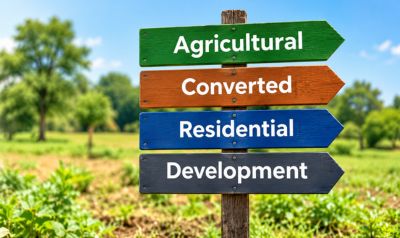
Understand Land Use
Find out whether the land is agricultural, converted or approved for a particular development purpose. Do not assume that a farm plot can automatically be used for residential construction.

Check Encumbrances
An encumbrance check can help identify registered loans, claims or other legal interests associated with the property.
Verify Project Approvals
If you are purchasing through a developer, ask for applicable approvals, permissions and development-related documents.

Research the Developer
Look at the developer's previous projects, delivery record, documentation practices and customer experience.

Check Road Access
A farm plot may look attractive on paper but become difficult to access if the approach road is poor. Visit the property personally and check the road connectivity.
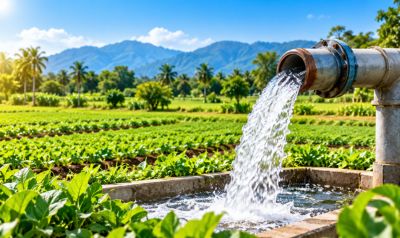
Evaluate Water Availability
Water is particularly important for farmland. Ask about existing water sources, irrigation arrangements and the sustainability of the water supply.

Inspect the Actual Property
Don't depend entirely on brochures or online photographs. Visit the site and verify the plot boundaries, surroundings and infrastructure.

Get Professional Advice
Before signing the agreement, consider getting the property documents reviewed by an independent lawyer and, where necessary, a surveyor.
Karnataka Land Laws Every Farm Plot Buyer Should Know
Farm plot rules differ from state to state. If you are buying near Bangalore, here is what applies in Karnataka.
1. Check the RTC (Pahani) on Bhoomi
The RTC is the Record of Rights, Tenancy and Crops. It is the main revenue record for any piece of agricultural land in Karnataka.
- Go to the Bhoomi portal and search by survey number and hissa number.
- Check that the owner's name matches the seller.
- Check the extent of land, the land type and the crop details.
- Look at the loans column for any bank or society loan on the land.
- Ask for RTCs of the last several years, not just the latest one. A sudden change in owner's name is worth asking about.
2. Check the mutation
Mutation updates the revenue records after a sale or inheritance. If the seller’s name is on the RTC but the last transfer was never mutated, or the mutation is pending, ask why. Insist that the sale be mutated in your name after registration. Without it, your name won’t appear on the RTC.
3. Get an Encumbrance Certificate (EC) from Kaveri
The EC shows registered transactions on the property, such as sales, mortgages and agreements. You can apply for it on the Kaveri Online Services portal from the Karnataka Registration and Stamps department.
- Ask for at least 30 years, so you can see the chain of ownership.
- A nil EC means no registered claims for that period. It does not cover unregistered claims, so still visit the site and ask the neighbours.
- Match the survey number on the EC with the one on the RTC and the sale deed.
4. Confirm the survey sketch and boundaries
Ask for the survey sketch, the 11E sketch and the akarband. Have a surveyor mark the plot boundaries on the ground. For a plot inside a larger farm, confirm the exact portion you are buying.
5. Understand DC conversion
Agricultural land can be used only for agriculture unless it is converted for another purpose. In Karnataka, conversion is approved by the Deputy Commissioner of the district under the Karnataka Land Revenue Act. Rules for land inside notified master plan areas were relaxed in 2020, so check what applies to your survey number.
What happens if the land is not converted:
- You cannot legally build a residential house on it. Farm-related structures are usually allowed within limits.
- Banks generally do not give home loans for unconverted land.
- Officials can act against unauthorised construction.
- Resale to a buyer who wants a residential plot becomes harder.
If a developer sells “farm plots” and talks about villas or a clubhouse, ask what conversion or permission covers those structures. Get the answer in writing.
6. Who can buy agricultural land in Karnataka
Until 2020, Sections 79A and 79B of the Karnataka Land Reforms Act, 1961 limited purchase to agriculturists and capped the buyer’s non-farm income. The 2020 amendment removed those restrictions. Today, any Indian citizen can buy agricultural land in the state. [VERIFY latest position with your lawyer before publishing.]
Some rules still apply:
- Land ceiling limits remain under the Act. Ask your lawyer how they apply to the total land you or your family will hold.
- Land once granted to Scheduled Caste or Scheduled Tribe families may fall under the PTCL Act, which restricts its transfer. Ask for the land's grant history and check for a PTCL clearance.
- A sale made before 2020 without the right endorsements can carry title risk. Ask your lawyer to check.
7. NRIs and agricultural land
Under FEMA rules, NRIs and OCI cardholders cannot buy agricultural land, plantation property or a farmhouse in India. They can inherit it or receive it as a gift. If a seller or agent tells an NRI otherwise, walk away and get advice.
8. Tax when you sell agricultural land
The tax depends on where the land sits.
- Rural agricultural land is not treated as a capital asset under the Income Tax Act, so its sale generally does not attract capital gains tax. "Rural" is decided by distance from the nearest municipality, and the distance depends on the population of that town. Confirm the measurement for your plot.
- Agricultural land inside those limits is a capital asset. Gains are taxed as long-term if you held the land for more than 24 months. There are exemptions if you reinvest in agricultural land or in specified bonds, subject to conditions.
- Rates changed in July 2024, and India's new Income Tax Act took effect from April 2026. Check current rates and section numbers with a chartered accountant before you sell.
Returns on Investment: Farm Plots vs. Traditional Real Estate
One of the common questions buyers ask is whether farm plots are a better investment than traditional real estate.
There is no universal answer because returns depend on location, purchase price, holding period, development and market conditions.
| Factor | Farm Plots | Traditional Real Estate |
|---|---|---|
| Initial Investment | Can vary by location and plot size | Varies widely |
| Land Area | Generally larger | Often smaller in urban areas |
| Rental Income | Usually limited unless permitted and developed | More common with homes/commercial properties |
| Appreciation | Depends heavily on location and infrastructure | Depends on property type and location |
| Maintenance | May involve land and plantation maintenance | Building/property maintenance |
| Lifestyle Value | High for buyers seeking nature and open space | Depends on property |
| Liquidity | Can vary | Can vary by property and location |
A farm plot should therefore be evaluated based on purchase price, location, legal status, accessibility, development potential and your investment horizon, rather than simply comparing expected appreciation percentages.
Amenities and Infrastructure to Look for in a Managed Farmland Project
If you are considering a managed farmland project near Bangalore, infrastructure can make a significant difference to the ownership experience.
Look for:
- Clearly marked individual plots
- Internal roads
- Proper entrance and security
- Water source and irrigation facilities
- Electricity availability, where legally applicable
- Plantation or landscaping
- Fencing or boundary demarcation
- Common recreational areas
- Organic farming or plantation management
- Maintenance services
- Parking facilities
- Good mobile network connectivity
- Emergency access
- Clear documentation and plot identification
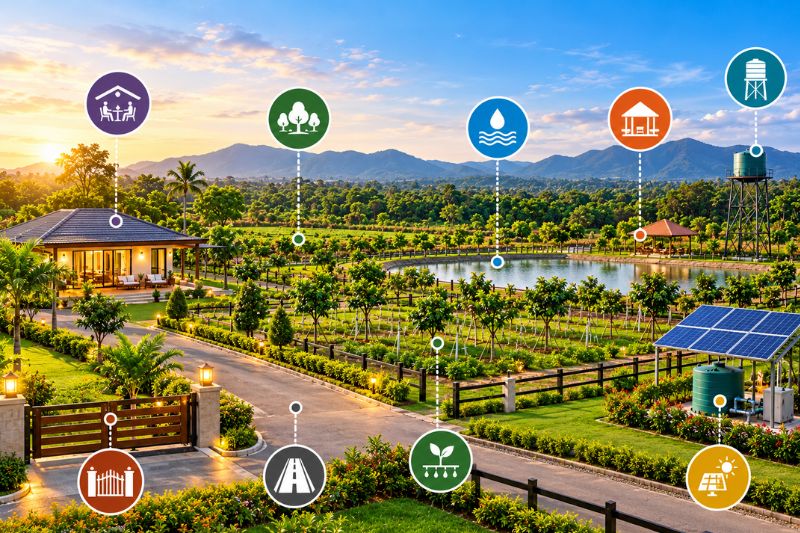
However, amenities should not replace legal due diligence. A project with attractive landscaping and facilities still needs proper documentation and approvals.
Step-by-Step Process to Buy a Farm Plot Near Bangalore
If you are planning to invest in a farm plot in Bangalore, follow a systematic process.
-
Step 1: Define Your Purpose
Decide whether you want the land for investment, farming, weekend use, plantation or a long-term lifestyle project. -
Step 2: Set Your Budget
Consider not only the plot price but also registration, legal verification, development charges, maintenance and other applicable costs. -
Step 3: Shortlist Locations
Compare locations based on travel time, road connectivity, nearby infrastructure and future development. -
Step 4: Research Projects
Compare developers, project layouts, plot sizes, amenities and documentation. -
Step 5: Visit the Property
Walk around the property and verify the actual location and surroundings. -
Step 6: Conduct Legal Verification
Have the title, land records, encumbrance details, approvals and other relevant documents independently reviewed. -
Step 7: Verify the Plot
Confirm the survey number, dimensions, boundaries and exact location of your selected plot. -
Step 8: Understand the Agreement
Read the sale agreement carefully and clarify payment schedules, possession, maintenance and other obligations. -
Step 9: Complete Registration
Once all checks are satisfactory, complete the applicable registration and documentation process. -
Step 10: Plan Your Land
After purchase, understand what activities or structures are legally permitted on the land before making any development plans.
Who Should Buy Farm Plots Near Bangalore?
Farm plots near Bangalore can be considered by different types of buyers.
Working Professionals
People living in Bangalore who want a peaceful weekend destination outside the city may find managed farmland attractive.
Long-Term Investors
Investors who are comfortable holding land for several years may consider farm plots as part of a diversified real estate portfolio.
Nature Lovers
Those who prefer greenery, open spaces, gardening and outdoor activities may appreciate the lifestyle aspect of farmland ownership.
Aspiring Farmers
People interested in plantation, organic farming or agricultural activities may explore suitable farmland, subject to applicable laws and land-use restrictions.
Families Looking for a Weekend Retreat
A farm plot can provide an opportunity to create a private outdoor space for family time, subject to what is legally permitted on the property.
This guide is a starting point, not legal advice. Before you pay an advance, have an independent lawyer review the title documents, RTC, EC and conversion status.
FAQs
Is buying a farm plot near Bangalore a good investment?
A farm plot can be a long-term investment option, but its potential depends on factors such as location, purchase price, connectivity, legal status, surrounding development and holding period. Buyers should conduct independent due diligence before investing.
Which are the popular locations for farm plots near Bangalore?
Nandi Hills, Denkanikottai, Harohalli, Kanakapura Road and Devanahalli are among the locations that buyers may explore. The suitability of each location depends on your budget, intended use and connectivity requirements.
Can I build a house on a farm plot near Bangalore?
Not necessarily. Whether you can construct a house or other structure depends on the land classification, applicable regulations, approvals and permitted land use. Always verify this before purchasing.
What should I check before buying farmland?
Check the title, ownership records, survey details, encumbrances, land classification, applicable approvals, road access, water availability, developer history and the exact plot boundaries. Independent legal verification is strongly recommended.
What is managed farmland?
Managed farmland is a property model where a developer or professional management team may handle activities such as plantation, irrigation, landscaping and routine maintenance on behalf of landowners. The exact services differ from project to project, so buyers should review the agreement carefully.
Final Thoughts
Buying farm plots near Bangalore is about more than finding an attractive piece of land. The right decision requires a combination of location research, legal verification, infrastructure assessment and long-term planning.
Whether you are looking for a weekend retreat, managed farmland or a long-term land investment, compare projects carefully and verify every important document before making a commitment. A well-researched purchase can help you enjoy both the lifestyle and ownership benefits that farmland can offer.
Whether you are looking for a weekend retreat, managed farmland or a long-term land investment, compare projects carefully and verify every important document before making a commitment. A well-researched purchase can help you enjoy both the lifestyle and ownership benefits that farmland can offer.